
Learning roulette is easier when the interface answers three questions before money moves: which wheel is in play, where the betting area ends, and what a chip will pay. This walkthrough follows three Australian adults aged 18+ – a first-time mobile player, a Hobart commuter and a cautious bonus comparer – through Lucky Elf’s roulette-first lobby, judging its navigation, localisation and account clarity alongside the essential rules.
Promotions need equal scrutiny: check the lucky elf no deposit code page, but confirm expiry, wagering and withdrawal terms before depositing.
A First-Timer on a Small Screen
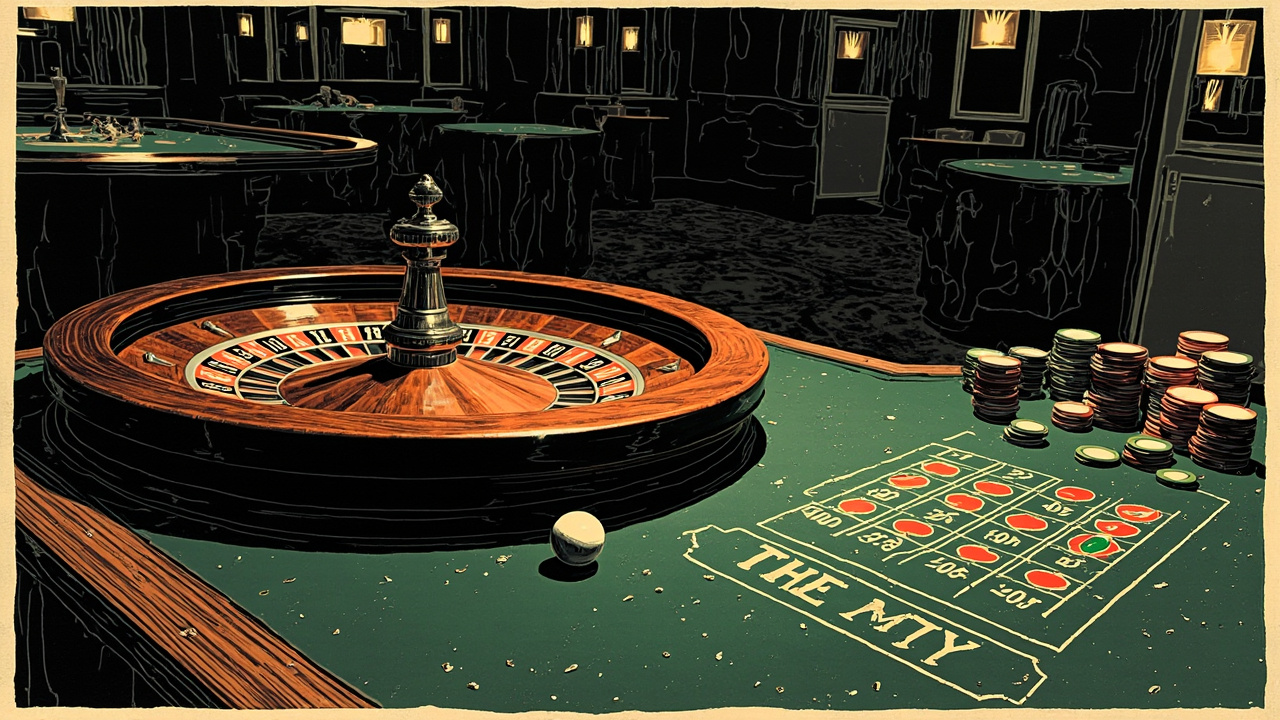
Imagine a first-timer opening Lucky Elf on a phone. The mobile-first site fits the grid to portrait, keeps chip controls clear of numbers and lets Clear undo a mis-tap. Lucky Elf’s responsive browser, not a separate app, presents a clear visual identity: a Rules link, labelled Felt tab and history drawer outside the betting area. That beats launch-style animation: the wheel may move; stake controls stay still.
Choose the table first: the aim is to predict where the ball stops. Bets cover numbers, rows, columns, dozens, colours, parity or high/low; after the ball settles, the winning wager is paid and the stake returned. The lobby separates live tables from random-number-generator games, and provider filters identify Evolution, NetEnt and Playtech. Check the wheel format because European single-zero and American double-zero tables are not interchangeable.
The payouts for each wager are fixed and vary by bet type. A straight-up number pays 35:1, while a split pays 17:1. A street bet pays 11:1, and a corner bet pays 8:1. A six-line bet returns 5:1. A dozen or column bet pays 2:1. Finally, red, black, odd, even, high and low bets pay 1:1.
Read betting-time and chip-placement rules. Useful labels and Undo beat tutorials; set a cash limit because easier placement never improves the odds.
The Hobart Commuter Checks Every Detail
Meet the Hobart commuter, who wants AUD totals, clear rules and no surprises before a game. Localisation is gameplay-critical: Lucky Elf shows AUD by default, uses day-month-year fields and shows live-chat and email hours in Tasmania time. On mobile, betting confirmation sits above bottom navigation, so a tap near Hobart’s waterfront cannot misplace a chip. Pairing the timer with “no more bets” beats sending a beginner scrolling for help.
Registration asks for email, mobile, date of birth and residential address, with identity checks only where required. Deposits use cards, PayID transfer or supported e-wallets; withdrawals return to the verified method where possible. Source of funds checks trace where a player’s money originates, requesting bank statements or payslips and, if needed, wealth details. Sound control, but beginners should understand the workflow before depositing.
The caveat is: an Australian-facing page, AUD pricing and an 18+ badge do not create an Australian gambling licence. Check the operator’s jurisdiction; use a locally authorised venue for real-money play, or choose a social-casino product if that is your route. No worries, the interface should answer limit, fee, processing time and document type before submission.
The Bonus Comparer Reads the Small Print
Now picture the cautious bonus comparer, who sees a promotion but wants to know what it changes. Lucky Elf places bonus terms beside the cash balance, not in a separate tab. New-player roulette cashback is capped and subject to wagering; Lucky Elf Club points accrue against qualifying play and convert to bonus credits at the displayed rate. Defo, bonus credits are not cash: they may restrict games, stake contributions or cash-out timing.
For a beginner, the bonus filter should show each game’s contribution beside its rule. A 35:1 straight-up number may contribute differently from a 1:1 even-money wager, so the tracker matters more than a countdown banner. It should state eligible roulette formats, conversion terms and expiry in plain Australian English before opt-in, then remind the player afterwards. Hiding those details behind “more” costs trust.
Mathematically, the house edge leads. European single-zero roulette has a 2.70% edge per spin, against 5.26% on double-zero. Cashback can soften a session’s result; it cannot change those odds. I would search by roulette format and provider, then inspect exclusions, rather than treat the banner as the strongest.
Three Players Test the Same Table
Before any of the three commits, the room page should answer: single-zero or double-zero, when betting closes, and whether stakes can be cleared. For the two-zero layout, players can use our American roulette rules reference to understand the extra pocket without slowing the table check. Wheel type, limits and last result belong beside the grid, not three menus deep.
The beginner flow is: select a table, choose chips, place bets, review the total stake, wait for betting to close, then spin. In live games, the dealer’s call and on-screen status must agree; in random-number-generator versions, the bet window and result need clarity. Search should filter by European, American, live and RNG, then narrow by provider and stake. That beats a featured carousel because it exposes rule variables that change expected value.
Final judgement: European and American roulette use different pockets, so the game label is part of the rules, not decoration. Keep total stake, chip value and potential return visible together. No progression changes the house edge, and no bonus can guarantee a winning system. Check local terms, choose deliberately and set a stop-loss before the first spin.
Begin with one low-stakes table, learn the betting grid and keep your session limit visible. A clear interface can prevent avoidable mistakes, but it cannot remove the house edge or make a strategy predictable. Australian players should confirm local authorisation and never treat bonuses, credit or loyalty points as guaranteed withdrawable cash. Which roulette layout has proved easiest for you, what would you change, and would you leave a comment or send this walkthrough to a mate learning the game?